Sewage Cleanup in Greenfield, IN
Sewage cleanup for Greenfield and Hancock County, including disposal, decontamination, structural drying and the rebuild
Greenfield Water Restoration delivers Sewage Cleanup across Greenfield and surrounding areas with certified crews available 24/7 and every step documented for insurance. Call (765) 676-3491.
- Service: Sewage Cleanup for Greenfield homeowners
- Service area: Greenfield, IN and surrounding areas
- Response time: Fast local response for Greenfield; live dispatch every hour of the year
- Licensed and insured (License #RC21100059)
- Serving Greenfield, IN since 2018
Sewage Backup Cleanup in Greenfield
We clean up sewage backups in homes across Greenfield, and we'll disinfect whatever can stay.
Sewer Lines Here
With a lot of the housing in Greenfield built between the 1940s and the 1970s, many still have cast iron sewer laterals. That's the pipe that carries waste out to the street sewer.
We work in every corner of Greenfield, including Greenfield Residential Historic District and the blocks around Beckenholdt Park and Depot Street Park. We also clean up sewage backups in Knightstown, McCordsville, New Palestine and Fortville.
Expert Sewage Cleanup for Greenfield Homeowners
Every sewage cleanup visit in Greenfield starts with a walkthrough. The crew finds the source and marks how far the water traveled, then photographs everything before anything gets cut or carried out. After that containment goes up and the work moves from the cleanest edge of the room toward the source, which keeps the mess out of spaces that stayed dry.
Before anyone steps into standing sewage, the crew looks at outlet height. Cords on the floor, power strips, appliances and the panel all get checked for contact with the water, and circuits that serve the wet area get shut off from a dry spot. Electrical work in your Greenfield home then waits for an electrician to confirm what can be turned back on.
Stopping the inflow comes before cleanup. If the blockage is still in the line, Greenfield Water Restoration works with the drain contractor clearing it, or we'll help you find one, and the crew stages containment and extraction while that happens. Once the line runs again, extraction starts on the standing water and the scope gets written from the contamination the crew can document in your Greenfield home.
If your policy has a separate limit for sewer backup, it helps to know it before the work grows, so ask your agent or check your declarations page. Greenfield Water Restoration prices the cleanup separately from the rebuild, so you can see where the money goes in your Greenfield home and decide how much of the rebuild to do now. Both parts stay tied to the photos and readings.
Call Greenfield Water Restoration and ask for the sewage crew. The dispatch window is 2 hours to Greenfield addresses, the crew works in full protective gear, and the truck carries the containment, filtration, extraction and disinfection equipment this kind of loss needs.
Signs You Need Sewage Cleanup
If you notice any of these in your Greenfield home, schedule a free inspection before the issue worsens.
A musty odor returning on humid days after a backup you thought you'd cleaned up
Gurgling from the shower drain every time the toilet refills after a flush
Standing water in the crawl space with a sewage smell and insulation hanging down wet
Dark wet stains spreading across the basement ceiling underneath an upstairs bathroom
Cardboard boxes on the basement floor with wicking stains and soft buckled bottoms
Toilet bubbling or gurgling on its own every time the tub or shower drains
Several drains in the house running slow at the same time with no obvious clog
Water pushing up through the shower pan when an upstairs toilet gets flushed
Ejector pit alarm sounding, or the pump cycling while the water level stays up
An upholstered chair or mattress in the basement wet at the legs after a backup
How Greenfield Water Restoration Handles Sewage Cleanup
We follow these steps in order on every Greenfield job.
Containment and Negative Air
Poly sheeting and a zippered entry seal the work zone off from the rest of the house. A negative air machine ducted outside holds that room at lower pressure, and HEPA air scrubbers filter the air inside it while crews are working.
Solids Removal
Paper and solid debris get scooped out by hand into heavy bags before any pump touches the water. Solids can clog the hoses, so taking them out first keeps the extraction in Greenfield cleaner.
Contents Sorting
Belongings in the room get sorted before the removal work starts. Anything the water reached is photographed and listed before it goes into bags, and hard goods that can be cleaned are set aside for separate cleaning.
Hard Surface Decontamination
Exposed framing, subfloor, slab and joists get scrubbed and rinsed, and the rinse water gets extracted. An EPA registered antimicrobial goes on once the surfaces are clean and stays wet for the dwell time printed on the product label.
Rebuild and Handoff
Insulation, drywall, trim and flooring go back over a structure that's been cleaned, treated and verified dry. Greenfield Water Restoration hands over the documentation package, including source photographs, the daily moisture log, the disposal inventory and the clearance readings.
Sewage Cleanup in Greenfield
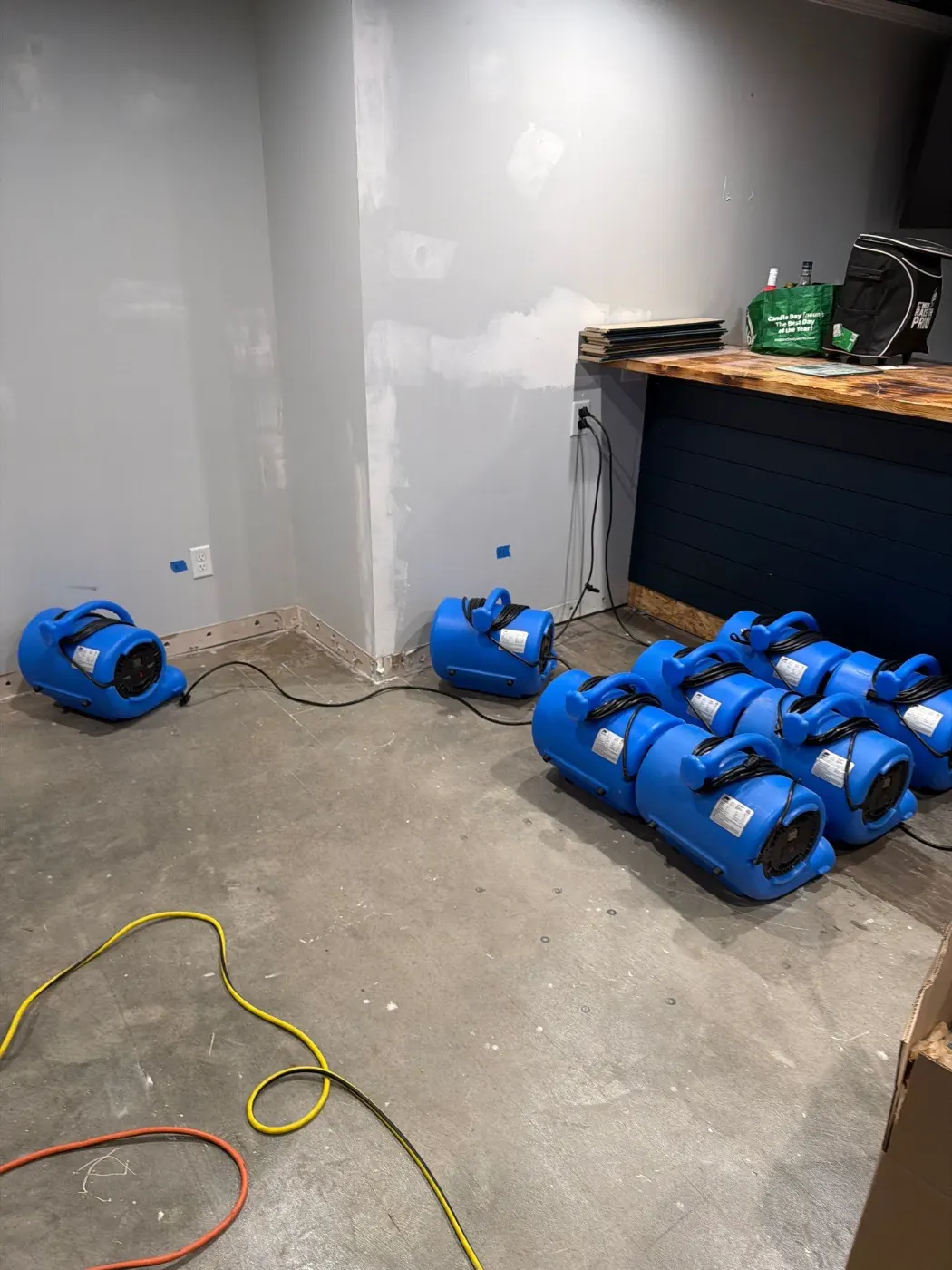
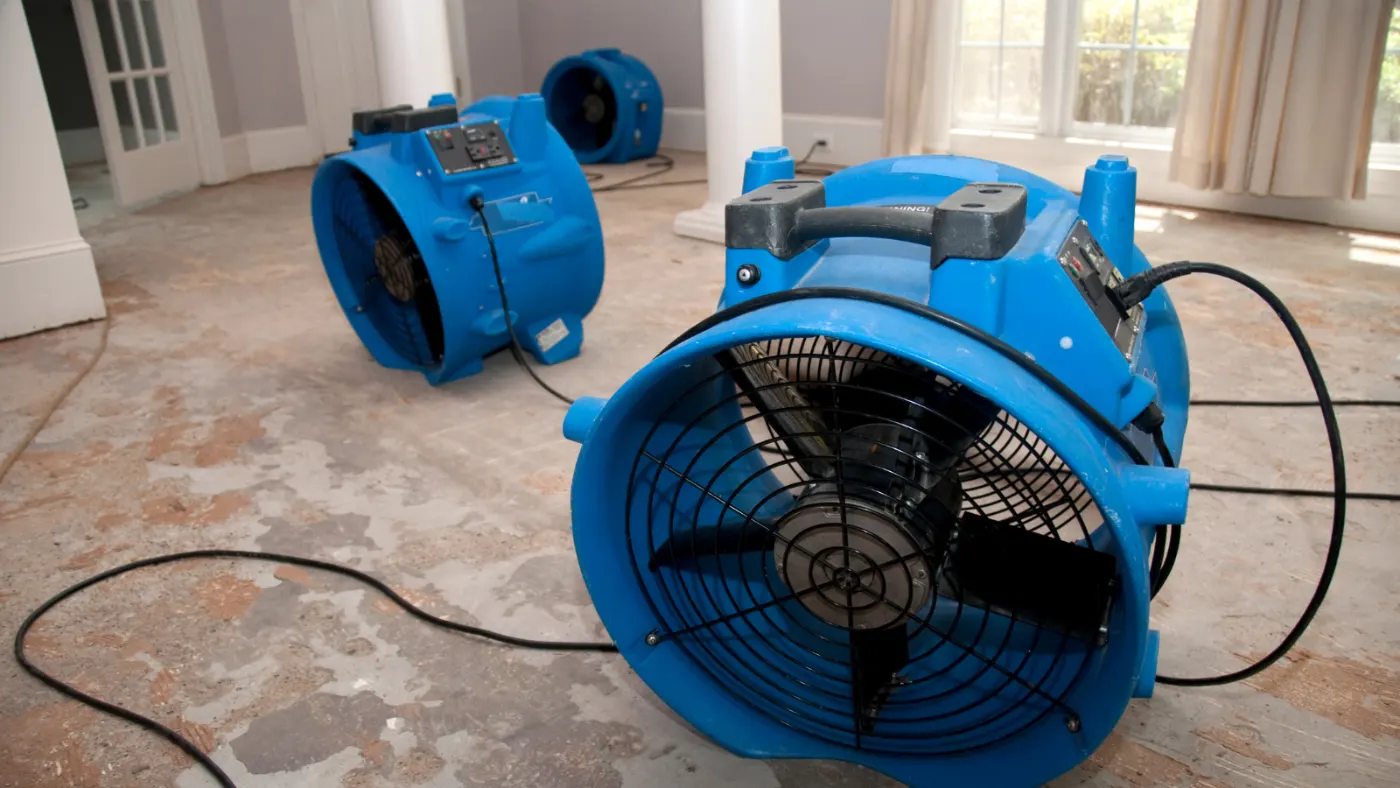
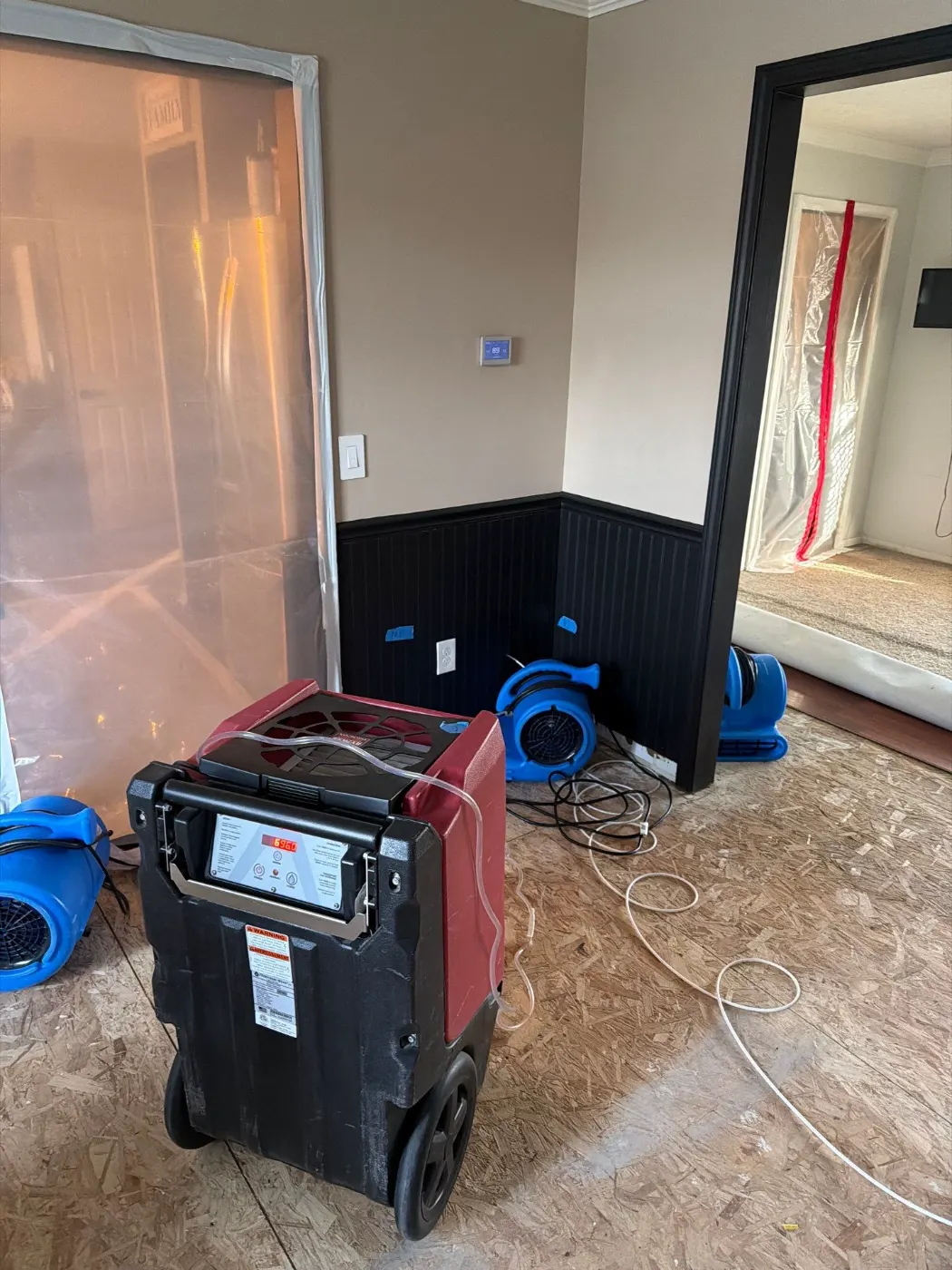
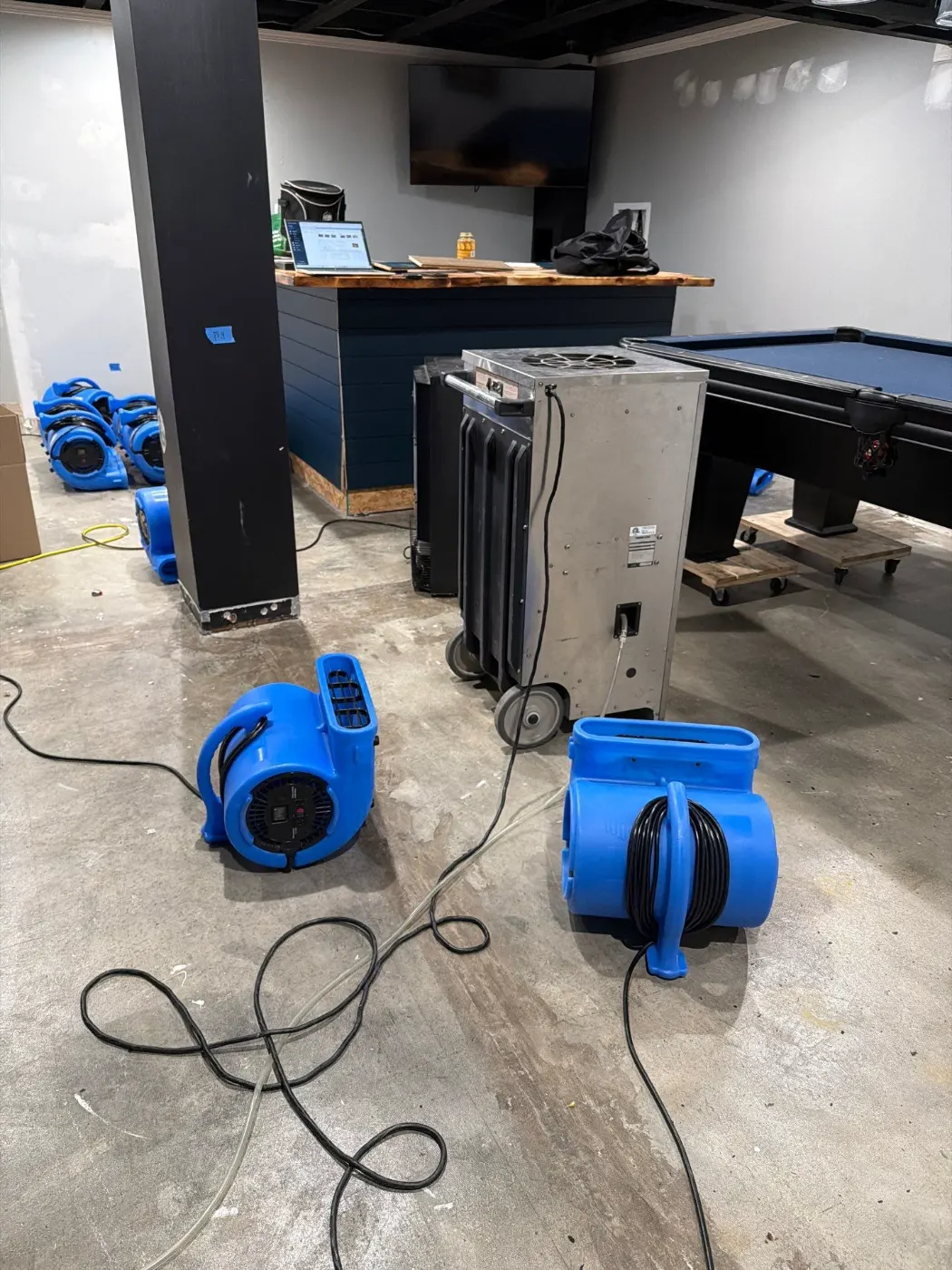
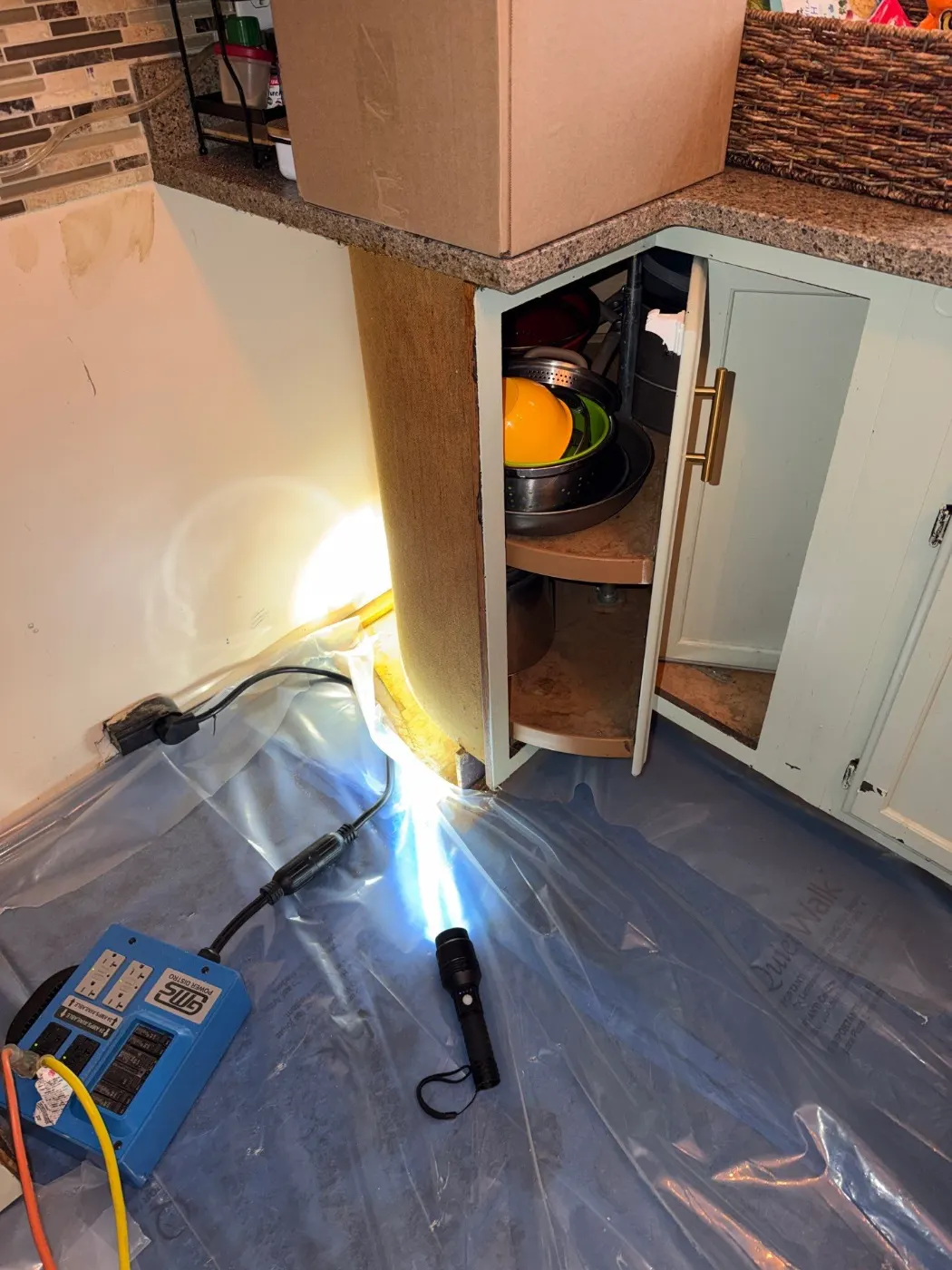
Photographs from real sewage cleanup jobs completed by our crew in Greenfield and surrounding areas.
Sewage Cleanup FAQ
Questions Greenfield homeowners ask us about sewage cleanup.
Guidance and Standards for Sewage Cleanup
- The ANSI/IICRC S500 is the published standard for professional water damage restoration. The current edition is the Fifth Edition, 2021. IICRC S500 Standard
- The Indiana Department of Insurance advises against permanent repairs before your insurance company inspects the damage. Check your own policy for what it covers. Indiana Department of Insurance: Insurance Claim Tips
Greenfield Neighborhoods We Serve
We take sewage cleanup calls in every part of Greenfield. Pick your neighborhood for local details.
Other Restoration Services in Greenfield
Greenfield Water Restoration handles the full scope of restoration work. Explore our other services below.
Water Damage Restoration in Greenfield
24/7 emergency response. IICRC certified water restoration from extraction to full dry out.
Learn more →Basement Flooding in Greenfield
Basement water emergencies handled fast. Extraction, drying, mold prevention.
Learn more →Storm Damage in Greenfield
Storm related water emergencies. Tarping, extraction, drying, and full restoration.
Learn more →Request Sewage Cleanup
Reach Us Directly
Our team is available 24/7 for emergencies and ready to schedule inspections during business hours.
Need Immediate Help?
For active water or mold emergencies, call us directly. We are available 24/7.